

Smart Watering Tips for Summer Landscapes That Save Water and Keep Plants Healthy
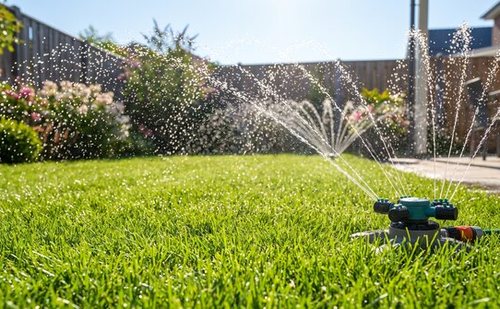
Effective watering strategies are necessary for maintaining lush summer landscapes while conserving water. Plants receiving the right amount of hydration are even more important when temperatures rise. Smart watering techniques are designed to save water without compromising the health of your plants. By integrating these techniques, you can cultivate a vibrant garden that thrives even in the summer heat.
What are the most efficient irrigation techniques to save water in summer landscapes?
Efficient irrigation techniques play an important role in conserving water during the hot summer months. These methods not only reduce water waste but also promote healthier plants by providing consistent moisture. The following strategies highlight some of the most effective irrigation techniques:
Drip irrigation systems: These systems deliver water directly to the root zone of the plants, minimizing evaporation and runoff. By using a network of tubes and emitters, drip irrigation allows for precise watering schedules, resulting in the needed moisture without excess waste.
Soaker hoses: Soaker hoses are porous hoses that release water slowly along their length, allowing for deep watering. This technique helps reduce surface evaporation for consistent moisture in the soil, making it ideal for garden beds and newly planted areas.
Smart irrigation controllers: These advanced devices can be programmed to adjust watering schedules based on local weather conditions, soil moisture levels and plant needs. By utilizing smart technology, homeowners can both reduce water usage and costs.
Which drought-resistant and native plants are best for Northeast Ohio summer landscapes?
Selecting drought-resistant and native plants is crucial for sustainable landscaping, especially in regions like Northeast Ohio, where summers can be hot and dry. Native plants adapt to local conditions, requiring less water and maintenance. Here are some excellent options:
Black-eyed susans (Rudbeckia hirta): These vibrant yellow flowers not only beautify gardens but also attract pollinators. Their deep roots help them endure dry spells.
Purple coneflowers (Echinacea purpurea): Known for their resilience, these perennials thrive in poor soil and attract butterflies, making them a great choice for a sustainable garden.
American sycamore (Platanus occidentalis): A native tree that provides shade, its adaptability to various soil types makes it a reliable option for residential landscapes.
How can soil and mulch practices maximize moisture retention in summer gardens?
Employing effective soil and mulch practices is important for maximizing moisture retention in summer gardens. Adding organic mulch, such as wood chips or straw, can significantly slow down evaporation rates from the soil surface, keeping roots cooler and moisture levels more consistent. Additionally, incorporating soil amendments like compost can improve soil structure, increasing its capacity to hold water while providing essential nutrients to plants. Together, these practices form a robust foundation for sustainable gardening.
What is the optimal seasonal watering schedule for healthy summer plants in Northeast Ohio?
Establishing an optimal watering schedule tailored to seasonal changes ensures your plants receive appropriate hydration throughout the summer. Typically, watering early in the morning or late in the evening is recommended, as these times minimize evaporation from the sun. Depending on rainfall patterns, adjusting watering frequency may be necessary; during dry spells, providing deep, infrequent watering encourages robust root growth.
How should watering frequency adapt to local drought patterns?
Watering frequency should adapt dynamically to local drought patterns and recent rainfall. During periods of drought, increasing the watering interval while ensuring deep penetration is paramount. Monitoring soil moisture and adjusting as needed will prevent both underwatering and overwatering, resulting in a healthier landscape. Homeowners should regularly monitor weather forecasts and adjust their watering regime to align with current conditions, emphasizing the importance of flexibility in watering practices.
What are the environmental and financial benefits of implementing smart watering practices?
Implementing smart watering practices offers significant environmental and financial benefits. By optimizing water use through efficient irrigation systems and drought-tolerant plants, homeowners can help conserve water resources. This not only reduces the strain on local water supplies but also prevents water pollution and runoff. Financially, these practices reduce water bills by reducing the need for excessive irrigation, providing long-term savings while promoting a sustainable lifestyle.
How does DiPietro Landscaping provide expert smart watering solutions for summer landscapes?
DiPietro Landscaping excels at offering expert smart-watering solutions tailored to summer landscapes. With a strong foundation in local expertise, the company provides comprehensive assessments and personalized irrigation strategies to meet individual customers' needs. For detailed information on services and consultation scheduling, contact us today.
Frequently Asked Questions
How often should summer plants be watered to avoid overwatering?
Generally, summer plants should be watered deeply but infrequently, typically 1-2 times per week, depending on the plant type and environmental conditions. Monitoring soil moisture can guide adjustments, ensuring that plants receive sufficient water without excess.
What are the signs of underwatering and how can they be remedied?
Signs of underwatering include wilting leaves, dry soil and browning leaf edges. To remedy this, property owners should gradually increase the frequency of watering while ensuring that water penetrates deeply into the soil. Applying mulch can also help retain moisture, giving plants the hydration they need to recover and thrive.