
Retaining Walls 101: Types, Uses, and Why You Might Need One
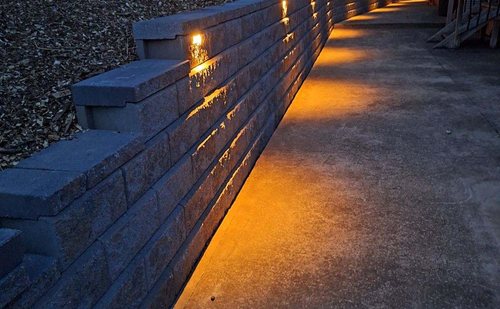
Retaining walls do more than hold soil in place. They help shape your yard, prevent erosion, improve drainage and create more usable outdoor space. Many homeowners do not realize how much a retaining wall can improve both the appearance and functionality of their landscape until they begin dealing with sloped areas, drainage issues or soil erosion.
Whether you want to create a level space for a patio, protect your property from water runoff or add more structure to your yard, a retaining wall can be a smart long-term investment. Understanding the different types of retaining walls and how they work can help you determine whether one may be right for your property.
What is a retaining wall?
A retaining wall is a structure designed to hold back soil and prevent it from shifting or eroding. These walls are especially useful for properties with hills, slopes or uneven terrain where rainwater and gravity can gradually move soil over time.
Without proper support, soil erosion can damage landscaping, create drainage problems and even impact the stability of nearby structures. A professionally built retaining wall helps keep soil in place while improving the overall stability of your yard.
Common types of retaining walls
There are several types of retaining walls, each designed for different landscapes, soil conditions and visual styles.
Gravity retaining walls rely on their weight to hold soil in place and are commonly built using stone, concrete or brick. Segmental retaining walls use interlocking concrete blocks that provide both strength and flexibility. Timber retaining walls offer a more natural appearance and are often used in residential landscaping projects. Reinforced retaining walls provide additional structural support for larger walls or areas subject to heavy soil pressure.
The best retaining wall for your property depends on factors like slope, drainage needs, soil conditions and the overall design of your outdoor space.
Retaining walls help prevent erosion and drainage problems
One of the biggest benefits of a retaining wall is erosion control. Heavy rain can wash soil downhill, leaving bare spots, uneven ground and drainage issues throughout your yard. Over time, this erosion can place additional stress on your foundation and surrounding landscaping.
A retaining wall helps control water flow and stabilize soil, reducing the risk of long-term damage. When properly designed with drainage systems, retaining walls can help direct water away from your home and prevent pooling or flooding in low-lying areas.
Retaining walls create more usable outdoor space
Sloped yards can make it difficult to fully enjoy your outdoor space. A retaining wall can help level uneven areas and create flat sections for patios, gardens, fire pits, walkways or seating areas.
By transforming steep or difficult terrain into functional space, retaining walls can improve both the usability and appearance of your yard. They also help define outdoor living areas and add structure to your landscaping design.
Retaining walls can improve safety and stability
Retaining walls also help improve safety around your property. Steep slopes and unstable soil can create hazards, especially during periods of heavy rainfall or shifting ground conditions.
A properly installed retaining wall helps reduce the risk of soil movement and creates a more secure, stable landscape. This added support can help protect nearby structures, landscaping features and outdoor living spaces from erosion-related damage.
Choosing the right retaining wall material
Retaining walls are available in a variety of materials, each offering different benefits and visual styles. Natural stone creates a timeless appearance, while concrete blocks provide durability and design flexibility. Timber retaining walls offer a more rustic look that works well in certain landscapes.
Choosing the right material depends on your budget, maintenance preferences and the style of your home. Professional guidance is important because retaining walls must be properly engineered to withstand pressure from soil and water over time.
Professional retaining wall installation matters
Retaining walls need more than an attractive design to perform properly. Proper installation, drainage planning and structural support all play an important role in the long-term performance of the wall.
If you notice erosion, standing water or sloped areas that are difficult to use, a retaining wall may be a practical solution for your property. DiPietro Landscaping can help you design and install a retaining wall that improves the function, appearance and stability of your outdoor space. Contact us today to learn more about your retaining wall options.