

Winter-Proofing Your Landscape Beds: A Simple Guide for Homeowners
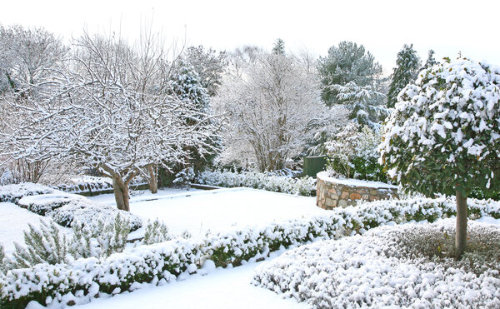
As fall turns the corner in Northeast Ohio, most homeowners start thinking about raking leaves, shutting down sprinklers or clearing the gutters. But one area that often gets overlooked is the landscape beds. These spaces may look quiet now, but the way you prepare them before winter can make a big difference in how healthy and vibrant they are when spring finally returns. A little attention in late fall can prevent root damage, soil issues and a lot of unnecessary work when the weather warms up again.
Why winter is hard on landscape beds
Local winters don't follow a predictable pattern. Some weeks feel mild, while others bring abrupt temperature drops, ice or heavy snow. That constant freeze-thaw cycle can push plant roots upward, disturb the soil and expose tender areas beneath the mulch.
Over time, mulch also breaks down or shifts, leaving spotty coverage. Wildlife sometimes takes a toll, too, as rabbits, voles and other small animals often use landscape beds as winter shelter and food sources. All of this adds up to extra stress on plants that are trying to rest through the cold months.
Start by giving the beds a clean slate
Before winter sets in, it helps to give the beds a gentle cleanup. Pull out lingering weeds and remove annuals that are past their prime. Clear away damp, matted leaves and any plant material that looks diseased or overly soft. This simple cleanup reduces the risk of mold and keeps unwanted pests from settling in.
Not everything needs to be removed; ornamental grasses or sturdy seed heads can stay if you enjoy how they look with winter frost. The goal is simply to start the season with a tidy, healthy foundation.
Take a look at soil and drainage
Healthy soil going into winter gives your plants a better start in spring. After a good rain, take a walk through the beds and notice where water tends to sit and drain slowly. Lightly loosening compacted spots with a garden fork improves air flow and helps excess moisture move through the soil instead of freezing in place. If you find areas that consistently stay soggy, make a mental note for spring adjustments. A thin layer of compost added now also helps nourish the soil through the colder months.
Mulch with care, not just routine
Mulch acts as insulation, keeping soil temperatures more stable and protecting roots from sudden changes. Once the ground begins to cool, add a fresh layer of mulch over your beds. Aim for an even, moderate coating, usually around two to three inches.
What matters most is keeping the mulch away from the stems and crown of plants, since piling it too close traps moisture and encourages rot. A well-mulched bed will be better equipped to handle winter stresses and will warm up more evenly when spring arrives.
Support plants that need a little extra help
Some plants are naturally more vulnerable to winter stress, especially anything newly planted or positioned in open, windy areas. Simple measures like wrapping exposed shrubs in burlap, tucking evergreen branches around delicate perennials or adding temporary supports for plants that bend under snow can make a noticeable difference. These small steps create protection without altering the natural look of the beds.
Pay light attention through the winter
While winter isn't a high-maintenance season for landscaping, a few small habits can help keep your beds in good shape. If heavy snow weighs down shrubs, gently lifting some of that weight off can prevent broken branches. Try to avoid walking across beds when the soil is frozen or thawing, since this compresses the soil and makes it harder for roots to recover in the spring. Keep an occasional eye out for signs of animal activity, such as nibbling near the base of stems.
Use the season as a planning opportunity
Winter is a great time to observe how your landscape behaves. You may notice areas where snow drifts, sections that stay wetter than others or spots where plants seem less protected. Keeping mental notes or snapping a few pictures will make it easier to adjust planting choices, drainage or bed layout once the weather warms up. Planning ahead now leads to a smoother, more productive start in spring.
A little prep now makes spring much easier
When winter finally gives way, beds that were prepped in the fall are easier to clean, quicker to green up and more resilient through the early growing season. Healthy soil, proper mulch and a bit of protection all work together to support stronger roots and better plant performance.
Ready to get your beds winter-ready? Reach out for a quick seasonal assessment and make sure your plants head into the cold months fully protected.