
What to Know Before Starting Excavation or Grading Work
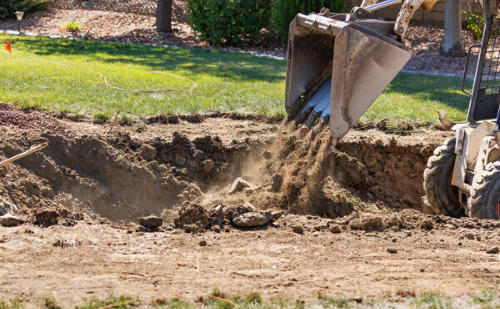
Excavation or grading work might not be the most exciting part of a project, but it's one of the most important. Whether you're planning a new patio, driveway, lawn installation or trying to fix drainage problems, everything starts with proper site prep.
Before any equipment shows up, here are a few things worth knowing.
Start with a clear goal
First, know what you're trying to accomplish. Are you leveling an area for a patio? Correcting water runoff near your foundation? Preparing for new landscaping? The purpose of the project determines how deep we dig, how the ground is shaped and what materials are used afterward.
The clearer the end goal, the smoother the project will go.
Pay attention to drainage
Water is usually the main reason grading work is needed in the first place. If water pools near your home, runs toward your foundation or turns parts of your yard into mud after every storm, grading can correct that. The ground should always slope away from structures, so water has somewhere to go.
Proper grading now can help prevent foundation issues, erosion and expensive repairs down the road.
Call before you dig
This one is simple but critical: always call 811 before excavation begins. Underground utilities like gas, electric, water and cable lines need to be marked before any digging happens. It's free, required in most areas and it protects everyone involved.
Skipping this step can turn a small project into a major problem.
Check local requirements
Depending on the size and scope of the work, permits may be required. Some municipalities and HOAs also have specific rules about grading, drainage changes or property line setbacks. It's always better to check first than deal with corrections later.
Understand your soil
Not all soil behaves the same. Clay holds water. Sandy soil drains quickly. Rocky ground requires different equipment. The type of soil on your property affects how the excavation is handled and what materials may be needed to create a stable base. An experienced crew will take this into account before work begins.
Clear the area first
Excavation and grading go much more smoothly when the site is properly cleared. This may mean removing brush, tree stumps, old structures or debris. A clean work area makes the job safer and more efficient.
Use the right materials
After excavation and rough grading are complete, materials like fill dirt, gravel or topsoil may be brought in to build a solid base and create a finished surface. Using the right material in the right place makes a big difference in how well the area holds up over time.
Know when to bring in professionals
Small projects might seem manageable, but grading is more precise than it looks. A slight mistake in slope can cause long-term drainage issues. Heavy equipment, proper compaction and an understanding of how water moves across a property are key to getting it right the first time.
If the project involves major slope correction, drainage concerns or prep for hardscaping, it's worth having experienced professionals handle it.
Planning excavation or grading?
Proper excavation and grading lay the groundwork for everything that comes next. Whether you're planning a landscaping project or trying to correct drainage problems, getting the site work done correctly from the start makes all the difference.
Ready to get your project started? Reach out to talk through your plans and make sure the groundwork is done right before work begins.