

The Complete Hardscape Maintenance Guide
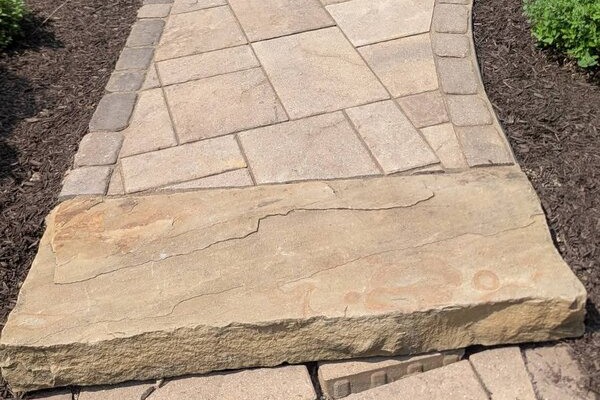
Hardscapes are built to last, but regular maintenance is still important for keeping patios, walkways and steps looking their best. Routine hardscape maintenance can also prevent small issues, such as missing joint sand or minor cracks, from developing into larger problems that require more extensive repairs.
For Northeast Ohio homeowners, seasonal weather makes this maintenance especially important. Freeze-thaw cycles, moisture and shifting soil can all take a toll on outdoor surfaces over time, making regular cleaning, inspections and preventative care an important part of protecting your investment throughout the year.
How do you clean and inspect paver patios?
Routine cleaning is one of the simplest ways to maintain a paver patio, and it also gives you a chance to spot early signs of wear or damage. Start by sweeping away leaves, twigs and dirt, then rinse the surface with a garden hose. Stubborn stains can typically be cleaned with a mild detergent and soft-bristle brush, while wire brushes and overly aggressive cleaning methods should be avoided because they can damage the surface.
As you clean, look for pavers that rock, sink or show signs of cracking. Check the joints for missing or eroded sand and pay attention to areas where water tends to pool after rain. A single sunken paver or washed-out joint may seem minor, but catching these issues early can help prevent a larger section from shifting. While homeowners can typically handle routine cleaning and visual inspections, widespread settling or drainage problems may require a professional evaluation.
How do you refresh joint sand and control weeds?
Joint sand helps keep pavers stable while limiting the open space where weeds can grow. Over time, however, rain, snowmelt and freeze-thaw cycles can loosen or wash away this material, leaving joints more vulnerable to weeds and shifting.
When you notice bare areas, cracking or sinking, remove compromised sand along with any visible weeds and roots. Fresh polymeric sand can then be swept evenly into the joints and compacted to help lock the pavers together and provide greater resistance against erosion.
Weed control and joint sand maintenance are most effective when handled together. Simply pulling weeds without addressing deteriorating joints leaves open space where weeds can quickly return.
How often should you seal paver patios?
Most Northeast Ohio properties benefit from resealing every two to three years, although heavy use and severe weather can affect that timeline. Sealant protects pavers from moisture, staining and fading while also making routine maintenance easier.
Before resealing, take time to inspect the surface for cracks, stains or loose joint material. The patio should be thoroughly cleaned and any missing joint sand replaced before the appropriate sealant is applied.
Ohio's climate makes this protection particularly important because water can work its way into small openings in the surface. When temperatures drop, that water can freeze and expand, gradually contributing to movement and damage.
How do you protect hardscapes from freeze-thaw damage?
Freeze-thaw damage occurs when water enters cracks or gaps, then freezes and expands. As this process repeats throughout the winter, it can gradually loosen pavers, damage mortar joints and cause sections of a hardscape to shift.
Preparing the surface before temperatures drop can help limit that damage. Each fall, inspect hardscapes for cracks, gaps and loose material, while also clearing away debris and standing water. Missing joint sand should be replenished, and drainage should direct water away from the hardscape rather than allowing it to collect around or beneath the surface.
Winter maintenance also plays a role. Avoid rock salt on walkways and steps when possible, choosing an alternative that is less likely to damage the surface. Proper grading, drainage and base preparation provide another layer of protection by helping prevent water from collecting where it can contribute to frost damage.
How do you keep walkways and steps safe?
Walkways and steps require regular attention because even minor movement can eventually create a tripping hazard. Check these areas for low spots, standing water, uneven surfaces or signs that the ground beneath them has shifted.
If drainage or grading is contributing to the problem, addressing the underlying cause is more effective than repairing only the visible damage. Loose joints and damaged edges should also be repaired promptly, especially before winter weather has an opportunity to make existing problems worse.
Regular cleaning can help as well. Leaves, dirt and other organic debris can trap moisture against stone and concrete surfaces, so keeping walkways and steps clear is an easy way to support their long-term condition.
What hardscape maintenance mistakes should you avoid?
One of the biggest mistakes homeowners make is waiting until damage becomes obvious before taking action. A simple seasonal inspection can uncover small cracks, missing joint sand, drainage problems and uneven surfaces while they are still easier to address.
Other common mistakes include allowing debris to accumulate, delaying resealing, ignoring deteriorating joint material and failing to prepare surfaces for winter. Uneven steps shouldn't be overlooked either, since movement can create safety concerns and may point to a problem with the base underneath.
Consistent hardscape maintenance doesn't have to be complicated. Keeping surfaces clean, maintaining joints, watching for drainage problems and addressing damage early can help patios, walkways and steps remain functional and attractive for years.
Protect your hardscape for the long term
Regular maintenance can go a long way toward extending the life of a hardscape, but some problems require more than seasonal upkeep. Shifting pavers, persistent drainage issues, uneven walkways or recurring damage may be signs that it's time to bring in a professional.
DiPietro Landscaping can help restore and improve patios, walkways, steps and other hardscape features throughout Northeast Ohio. Whether you need repairs or are ready to update your outdoor space, contact our team to discuss your project and find the right solution for your property.